%2Ffit-in%2F250x250%2Fguide_websites%2F7797%2Fimages%2Fll.webp&w=1920&q=100)
/users/3eca08bd-0931-4a79-8933-bf2764d9d9bd/ratecard/481664688_626877343377082_722071006467412213_ncropped.jpg)
%2F300x300%2Fusers%2F3eca08bd-0931-4a79-8933-bf2764d9d9bd%2Fratecard%2F481664688_626877343377082_722071006467412213_ncropped.jpg&w=256&q=75)
%2F300x300%2Fusers%2F3eca08bd-0931-4a79-8933-bf2764d9d9bd%2Fimages%2Ffishing-adventure-in-fl-2535.jpeg&w=256&q=75)
%2F300x300%2Fusers%2F3eca08bd-0931-4a79-8933-bf2764d9d9bd%2Fimages%2Ffishing-adventure-little-torch-key-2430.jpeg&w=256&q=75)
%2F300x300%2Fusers%2F3eca08bd-0931-4a79-8933-bf2764d9d9bd%2Fimages%2Ffishing-adventure-fl-2454.jpeg&w=256&q=75)
%2F300x300%2Fusers%2F3eca08bd-0931-4a79-8933-bf2764d9d9bd%2Fimages%2Fpicturesque-little-torch-key-2484.jpeg&w=256&q=75)
%2F300x300%2Fusers%2F3eca08bd-0931-4a79-8933-bf2764d9d9bd%2Fimages%2Ffishing-adventure-florida-2387.jpeg&w=256&q=75)
%2F300x300%2Fusers%2F3eca08bd-0931-4a79-8933-bf2764d9d9bd%2Fimages%2Ffantastic-fishing-florida-2386.jpeg&w=256&q=75)
%2F300x300%2Fusers%2F3eca08bd-0931-4a79-8933-bf2764d9d9bd%2Fimages%2Fbountiful-catch-florida-2666.jpeg&w=256&q=75)
%2F300x300%2Fusers%2F3eca08bd-0931-4a79-8933-bf2764d9d9bd%2Fimages%2Ffishing-at-little-torch-key-2418.jpeg&w=256&q=75)
%2F300x300%2Fusers%2F3eca08bd-0931-4a79-8933-bf2764d9d9bd%2Fimages%2Ffishing-little-torch-key-2417.jpeg&w=256&q=75)
%2F300x300%2Fusers%2F3eca08bd-0931-4a79-8933-bf2764d9d9bd%2Fimages%2Fflorida-fishing-adventure-2545.jpeg&w=256&q=75)
Premier Florida Keys Charter Fishing Adventures
 Florida Keys
What you will be catching:
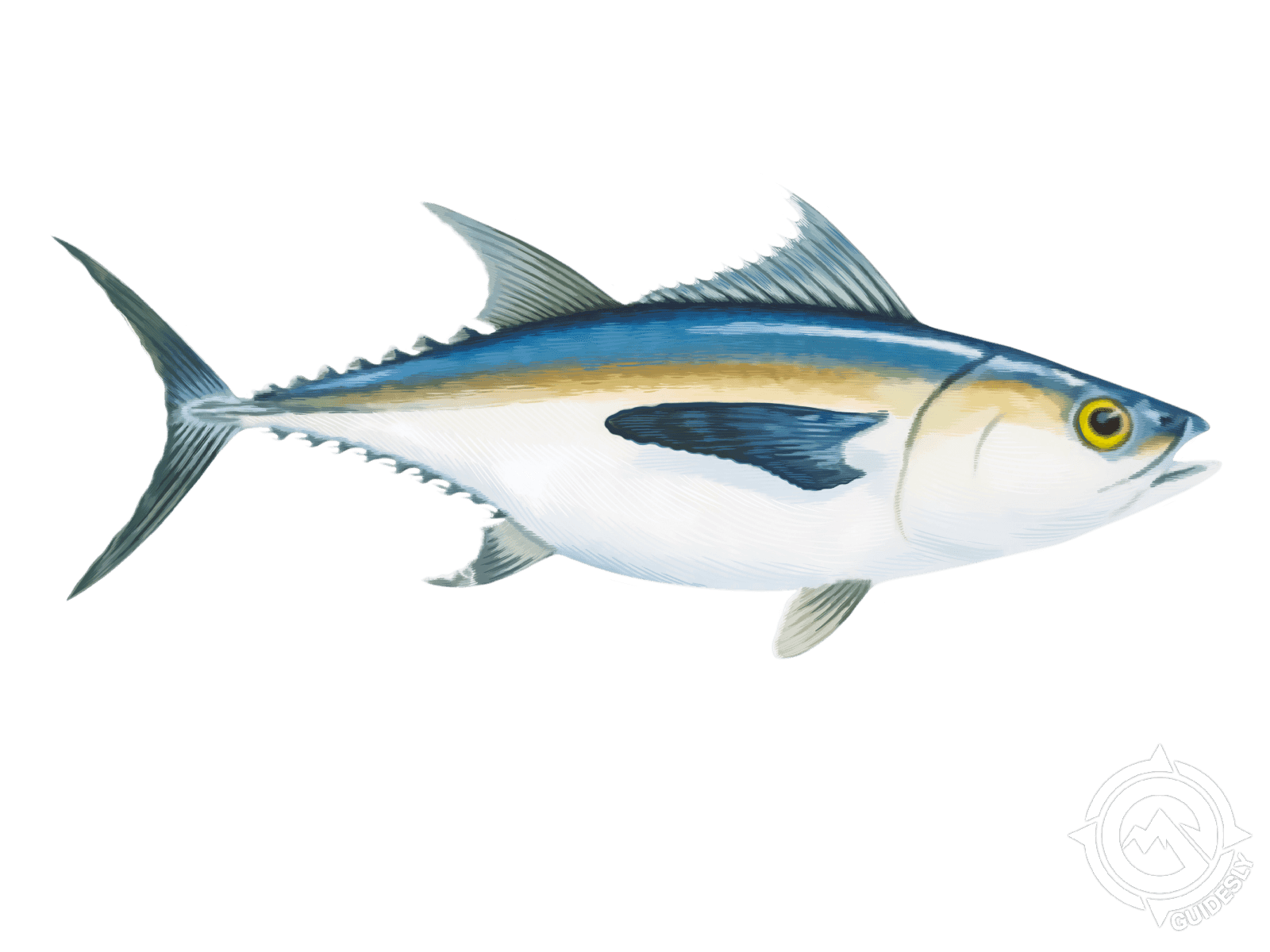
 Blackfin Tuna
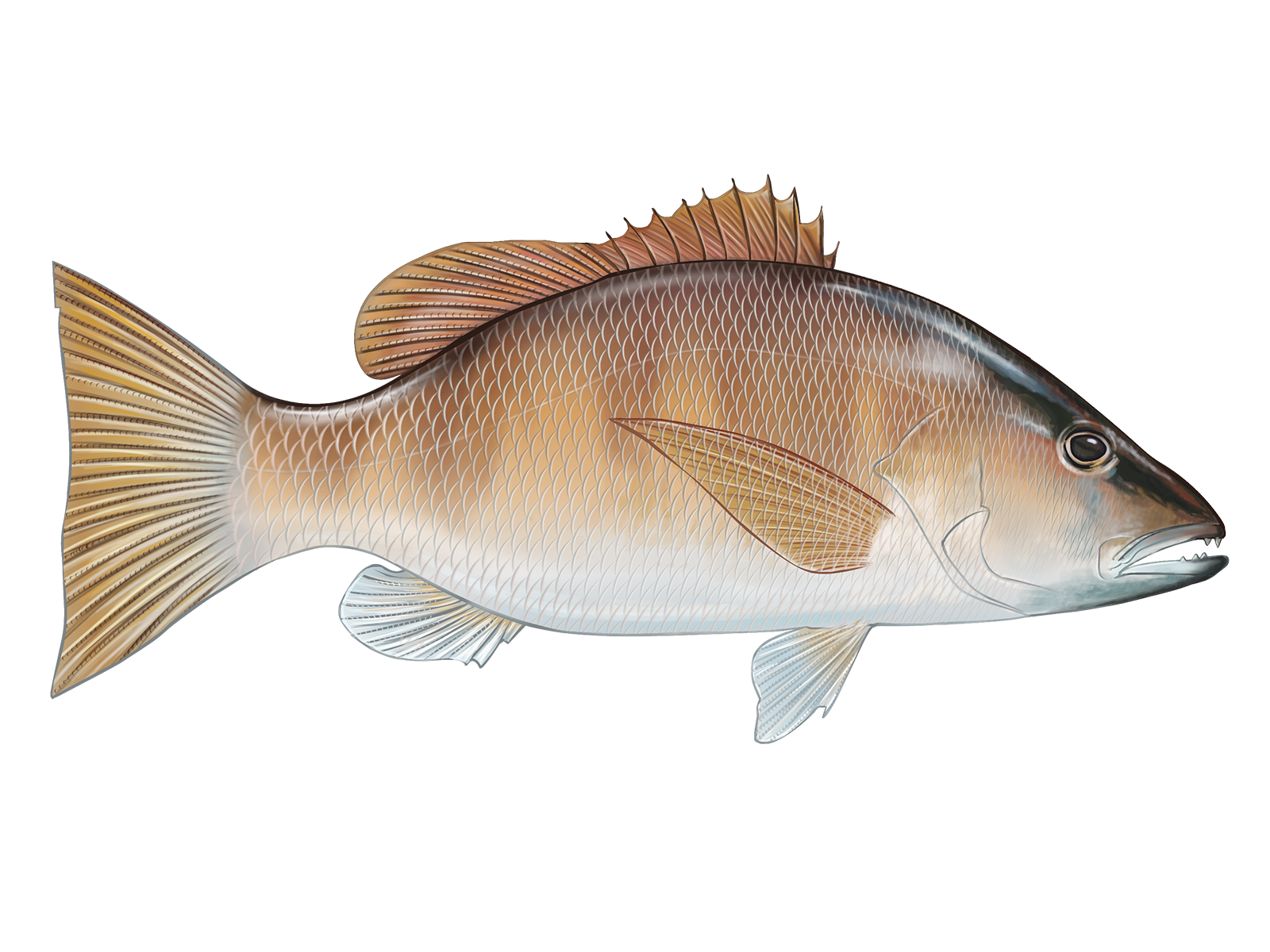 Grey Snapper
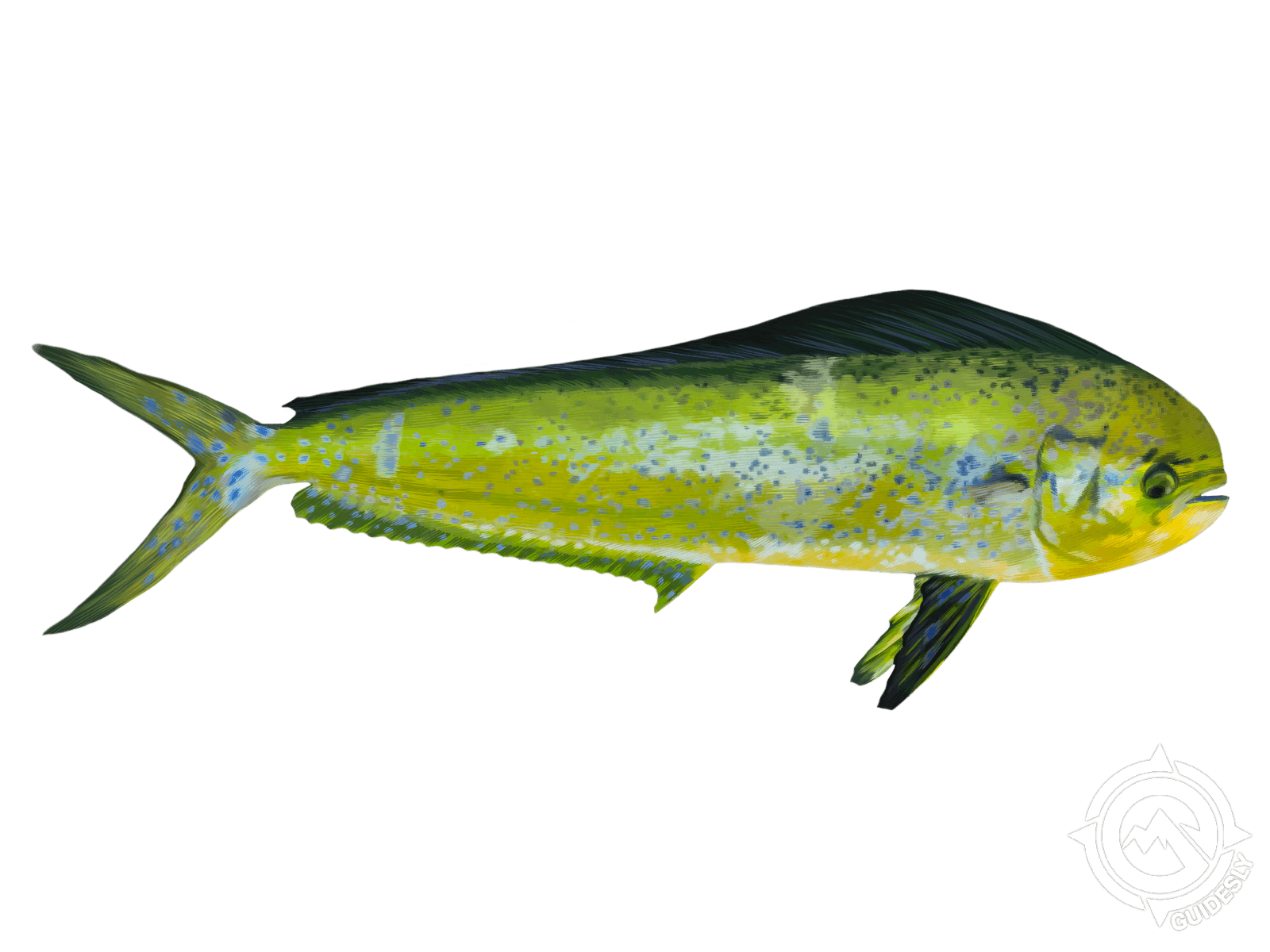
 Mahi Mahi or Common Dolphinfish
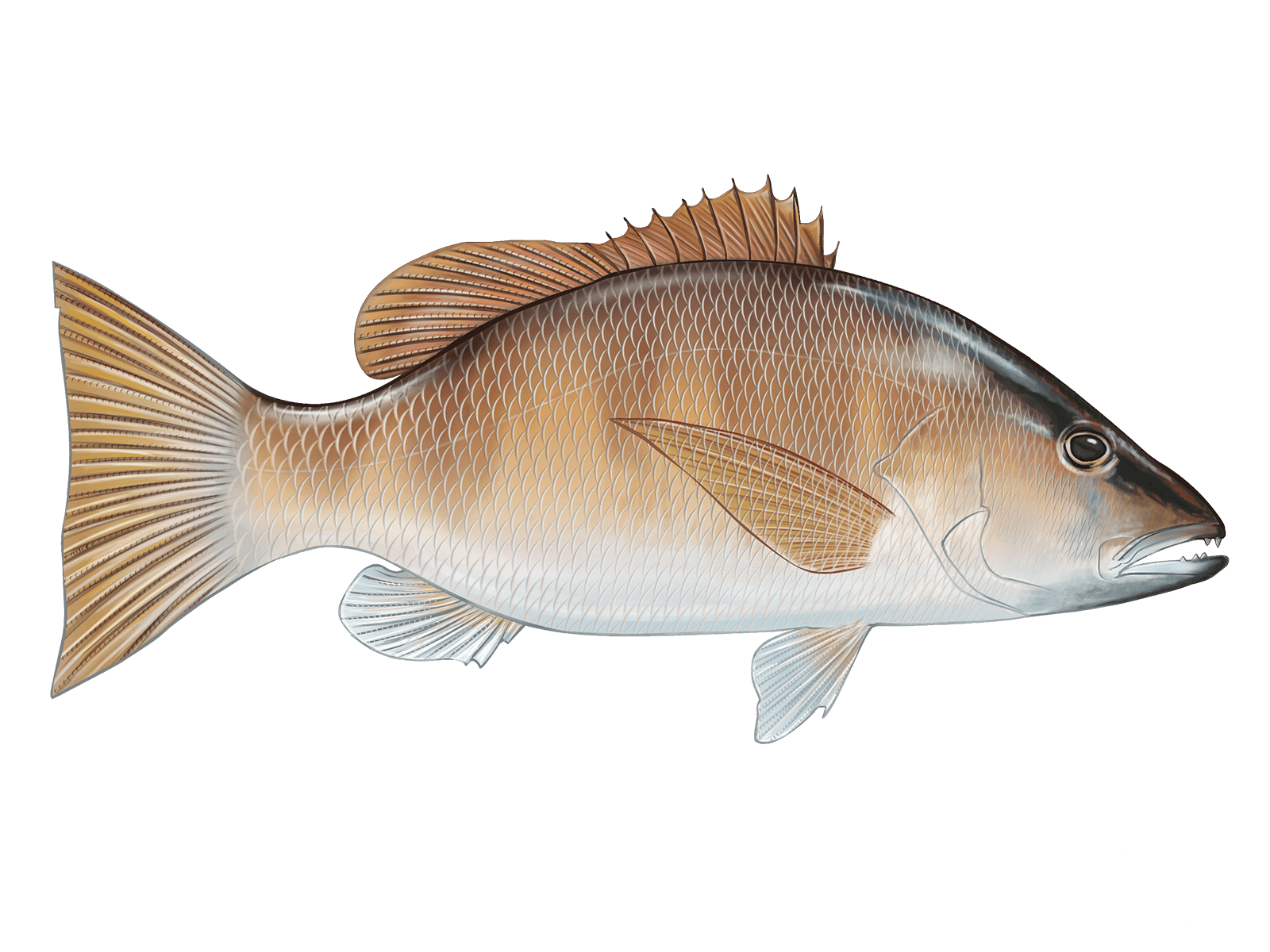
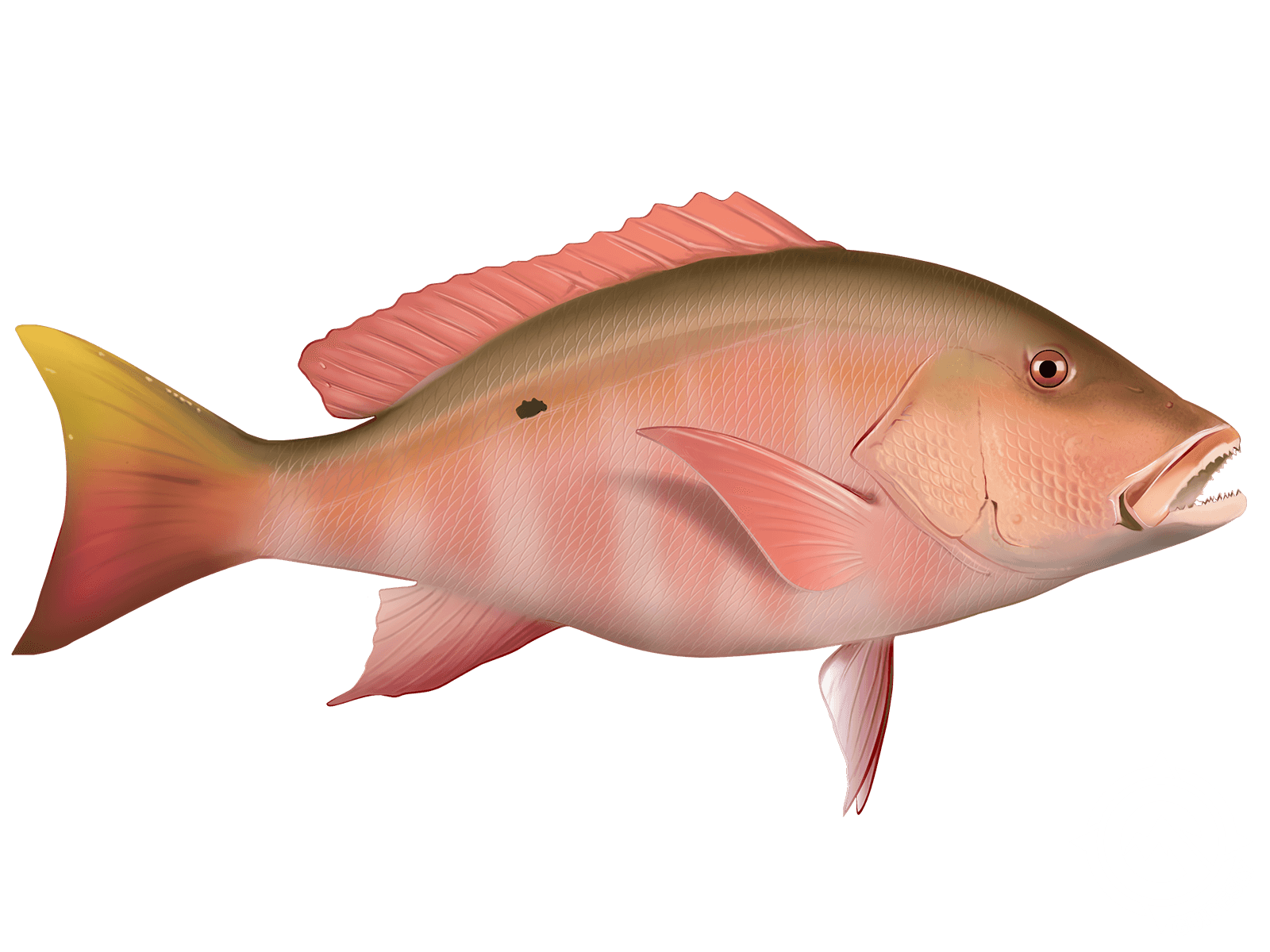
 Mutton Snapper
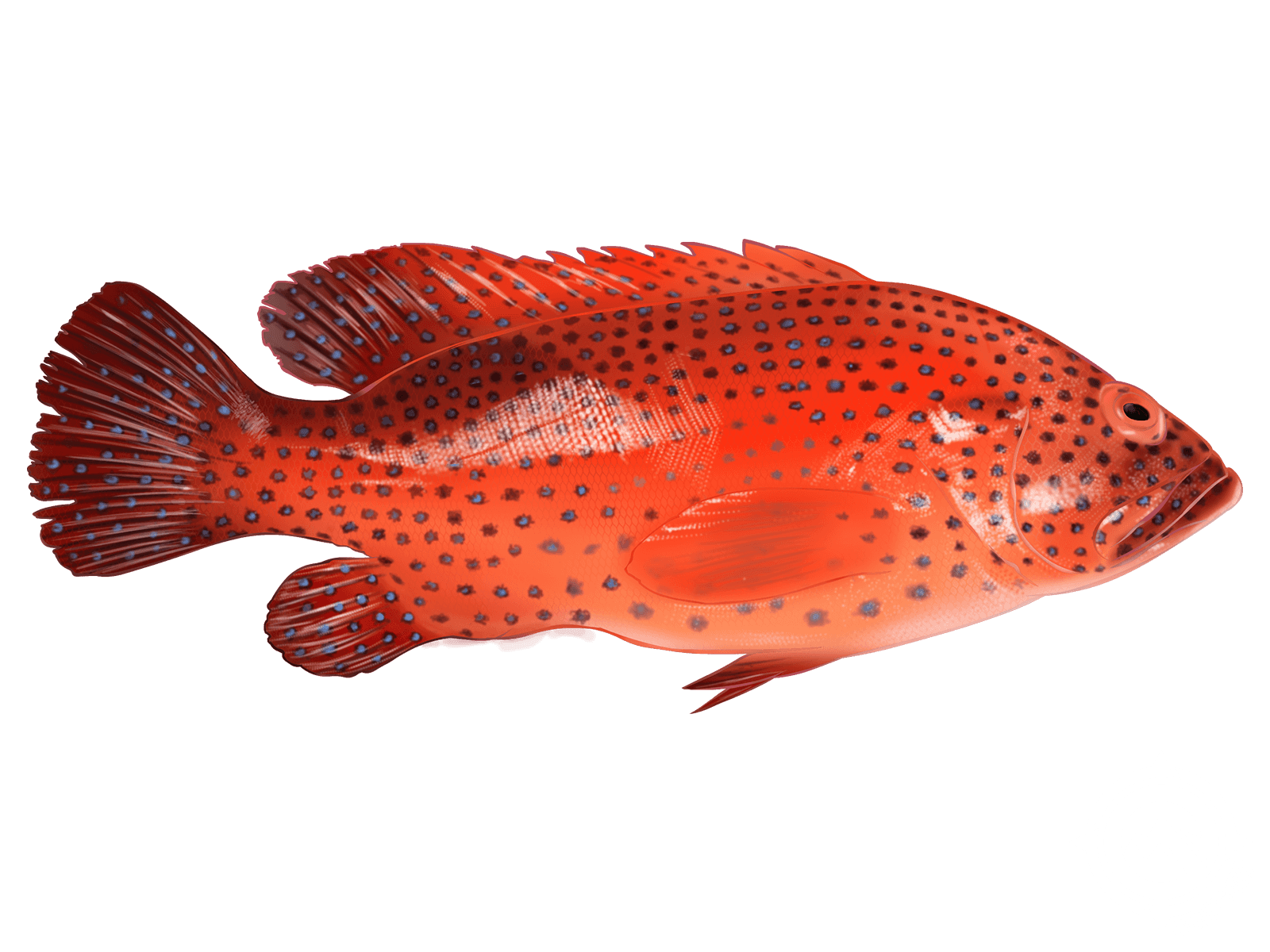
 Red Grouper
- Customizable 4-8 hour charters from Little Torch Key
- Target snapper, grouper, mahi, tuna, wahoo, and sailfish
- All fishing gear provided for personalized angling experience
Trip Pricing and Availabilities:
Half Day or Full Day Fishing Trip In Little Torch Key
Little Torch Key sits right in the sweet spot of the Lower Keys, where the Gulf meets the Atlantic and the fishing opportunities are as diverse as they come. This isn't your typical charter where you're locked into one style - we're talking about a flexible adventure that lets you chase whatever's biting. Whether you've got four hours to burn or want to make it a full eight-hour expedition, you'll be working waters that have been producing trophy fish for decades. The captain knows these spots like the back of his hand, and he's got all the gear you need to make it happen. From first-timers to seasoned anglers, everyone walks away with stories and usually a cooler full of dinner.
What to Expect on the Water
Your day starts at the dock in Little Torch Key, where you'll meet your captain and get the rundown on what's been hot lately. The beauty of this setup is the options - we can stay inshore and work the flats and channels, hit the reef for some consistent action, or push offshore where the big boys swim. The boat's rigged with everything you need: quality rods and reels, fresh bait, tackle, and all the safety gear. Your captain's been reading these waters for years, so he'll adjust the game plan based on conditions, time of year, and what you're hoping to catch. The Lower Keys location gives you access to multiple fishing zones without burning half your trip just getting there. You're literally minutes from productive water no matter which direction you choose to go.
Techniques and Tackle
Depending on where the fish are holding, you'll be using different approaches throughout the day. For the reef fishing, we're talking about bottom rigs with circle hooks, targeting structure where snapper and grouper like to hang out. The offshore action usually means trolling with ballyhoo, rigged squid, or lures to cover water and find the pelagics like mahi and tuna. When the bite gets tough, we might switch to live bait - pilchards, goggle eyes, or whatever's available at the bait shop that morning. The captain provides all the terminal tackle, but he'll also teach you how to rig your own if you're interested in learning. Circle hooks are the name of the game for most species here - they're required for many reef fish anyway, and they do a better job of hooking fish in the corner of the mouth for easier releases.
Top Catches This Season
Mutton Snapper are the bread and butter around here, especially during their spawning aggregations in summer months. These fish can push 15-20 pounds when you find the right schools, and they're absolute bulldogs on the line. They're smart too - you'll need to present your bait just right or they'll ignore it completely. The cool thing about muttons is they're fantastic table fare, with firm white meat that's perfect for the grill. Grey Snapper, or mangrove snapper as most folks call them, are year-round residents that provide consistent action when other species are being finicky. They're smaller than muttons but make up for it with attitude - pound for pound, they're some of the scrappiest fish you'll encounter on the reef.
Blackfin Tuna show up in good numbers during the cooler months, usually from October through April. These speedsters are pure adrenaline - when you hook one, it's going to make several screaming runs before you get it to the boat. They're perfect for sashimi if you're into that, or they smoke up beautifully. Red Grouper are the kings of the bottom, with the bigger fish holding in 60-100 feet of water around ledges and hard bottom. They're not flashy fighters, but they use their bulk and the structure to try to break you off. A good red grouper is like winning the lottery - they're getting harder to find at keeper size, but when you connect with a nice one, it's a memory maker.
Mahi Mahi are the wild cards of the offshore world. When they're around, usually spring through fall, they provide some of the most exciting fishing you'll find anywhere. They travel in schools, so when you find one, there are usually more nearby. Their acrobatic jumps and electric colors make them a favorite with photographers, and they're outstanding on the dinner table. The key with mahi is finding floating debris, weed lines, or current breaks where they like to hang out. Your captain knows how to read the water and find these productive spots.
Time to Book Your Spot
The Lower Keys offer some of the most consistent fishing in Florida, but that also means the good captains stay busy. This flexible charter format gives you the best of both worlds - you can book a half day if you're just testing the waters, or commit to the full experience with an eight-hour trip that lets you hit multiple spots and really dial in on what's biting. The captain's local knowledge is worth its weight in gold, and having all the gear provided means you can just show up ready to fish. Whether you're looking to put dinner on the table, chase a personal best, or just spend a day on the water in one of Florida's most beautiful areas, this trip delivers. Don't wait until you get down here to book - the best dates fill up fast, especially during peak season.
Learn more about the species
Blackfin Tuna
Blackfin tuna are the smallest of the tuna family but pack serious punch. These speedsters typically run 5-15 pounds in our waters, with occasional 20+ pounders showing up. They cruise offshore in 100-300 feet of water, often mixed with skipjacks near current edges and temperature breaks. Peak season runs from fall through spring when water temps hit that sweet spot around 70-75 degrees. What makes them special is their fierce fight - they'll peel drag like crazy - plus they're fantastic eating with that rich, red meat perfect for sashimi. These fish have sharp eyesight, so downsize your tackle. I always tell guests to use 30-pound fluoro leaders with smaller 5/0 circle hooks. The magic trick is live pilchards on a knocker rig - let it flutter down while chumming. When they light up, you'll know it immediately.
Grey Snapper
Grey snappers, also called mangrove snappers, are some of the smartest fish we target. These guys typically run 1-3 pounds inshore, but offshore specimens can hit 8-10 pounds. They love structure - docks, mangroves, wrecks, and reef edges where they can ambush prey. These nocturnal hunters are most active at dawn and dusk, feeding on shrimp, crabs, and small fish. What guests love is their excellent eating quality - white, flaky meat with a sweet taste. They're year-round residents, but fishing picks up in warmer months. Here's the key to success: use the freshest bait possible and minimal weight. Thread your hook through a live shrimp's tail, not the head, and let it sink naturally. Once you feel that tap, don't jerk - just start reeling steadily. Grey snappers are notorious bait stealers, so patience pays off.
Mahi Mahi or Common Dolphinfish
Mahi mahi are the most colorful fighters you'll encounter offshore. These beauties typically run 10-25 pounds in our waters, with bull dolphins pushing 40+ pounds during peak season. Look for them around floating debris, weedlines, and current edges in 100-1000 feet of water. Best fishing runs spring through fall when they migrate through. What makes them special is that spectacular color show when they're fighting - gold, green, and blue flashing underwater - plus they're fantastic table fare with sweet, firm white meat. They're aggressive feeders that love trolled ballyhoo or live bait skipped on the surface. Here's a guide secret: when you hook one, leave it in the water while you get more lines ready. Mahi travel in schools, and that hooked fish will often keep the others around for multiple hookups.
Mutton Snapper
Mutton snappers are real fighters that'll give you a solid battle on lighter tackle. These fish typically run 3-8 pounds around Little Torch Key, though we occasionally see 15+ pounders. You'll find them around sandy areas near reefs in 20-80 feet of water, often mixed with other snappers. They're opportunistic feeders that hit fresh bait like shrimp, crabs, and small fish. What makes them special is their excellent table fare - sweet, firm meat that's perfect for the grill. Best fishing is during warmer months when they're more active. Here's a local trick: when you see that pink flash coming up through the water, that's your mutton snapper. Use light weights and let your bait drift naturally in the current - they're spooky fish with sharp eyes, so the more natural your presentation, the better your chances.
Red Grouper
Red groupers are the bread and butter of bottom fishing around Little Torch Key. Most of what we catch runs 5-15 pounds, though 20+ pounders show up on deeper structure. These ambush predators live on rocky bottom, ledges, and wrecks from 30-200 feet deep. They're year-round residents, but fishing is best outside the January-April spawning closure. What guests love is the solid fight - they'll try to get back to their hole - and the excellent eating. Red grouper has some of the best-tasting meat you'll find, firm and sweet with that slight shellfish flavor from their crab and shrimp diet. Here's the deal: once you hook one, keep steady pressure and don't let up. They'll head straight for the rocks, so muscle them up quickly. Fresh cut bait like pinfish or live shrimp on a knocker rig works best. Stay right on the structure but be ready for that initial run.
About the BullsBay
%2F%2Fusers%2F3eca08bd-0931-4a79-8933-bf2764d9d9bd%2Fvehicle_picture%2F254934328_114039151086440_5121620199707025572_n.jpg&w=1920&q=75)
Vehicle Guest Capacity: 6
Manufacturer Name: Suzuki
Maximum Cruising Speed: 35
Number of Engines: 1
Horsepower per Engine: 140