%2Ffit-in%2F250x250%2Fguide_websites%2F7797%2Fimages%2Fll.webp&w=1920&q=100)
Tarpon Fishing Adventure in Little Torch Key, FL
Tarpon Fishing in Little Torch Key - What to Expect
%2F%2Fusers%2F3eca08bd-0931-4a79-8933-bf2764d9d9bd%2Fimages%2Fyellowfin-tuna-catch-key-west-7868.png&w=1920&q=75)
Fishing Charter by Captain Allen Prince in April
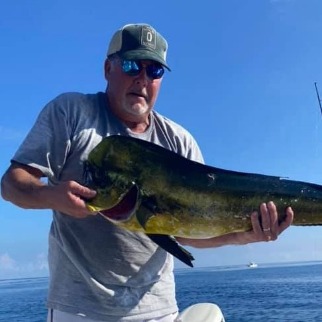
Meet your Captain Allen Prince
- Discover Florida Keys: Book Your Fishing Trip Now!


Summary
Join Captain Allen Prince of Lower Keys Offshore Adventures on Wednesday April for an explosive 4-hour tarpon fishing charter in Little Torch Key. This inshore fishing adventure targets the legendary Silver King with all equipment provided, perfect for anglers of all skill levels seeking a hands-on battle with Florida's most acrobatic gamefish.
Tarpon Fishing with Captain Allen Prince - Rates & Booking
Captain Allen Prince of Lower Keys Offshore Adventures on Wednesday April is ready to put you in the hot seat for a half-day tarpon fishing charter. This 4-hour inshore trip accommodates up to 4 anglers and includes all necessary tackle and equipment for a full day of battle-tested technique. You'll target the powerful Silver King in the shallow waters where tarpon hunt and feed, with flexible start times to match your schedule. All gear is included, so bring nothing but your appetite for action and determination to hook into one of Florida's most legendary gamefish. Book online today to secure your spot.
Highlights of Half-Day Guided Tarpon Fishing Trip In Little Torch Key
Expect explosive takes and acrobatic leaps when tarpon strike. These silver giants can exceed 100 pounds and will test every ounce of your strength and technique. The shallow inshore waters around Little Torch Key offer prime sight-fishing conditions where you can watch these massive fish hunt in real-time. Captain Allen knows exactly where tarpon congregate and feed, giving you the highest probability of connecting with a strike.
Whether you're a seasoned angler or picking up a rod for the first time, this charter delivers pure adrenaline-pumping action. The flexible scheduling means you can fit this adventure into your Key West itinerary without hassle. With room for 4 anglers, bring friends or family to share in the high-octane excitement of battling Florida's most famous gamefish.
Local Tarpon Insights and Inshore Experience
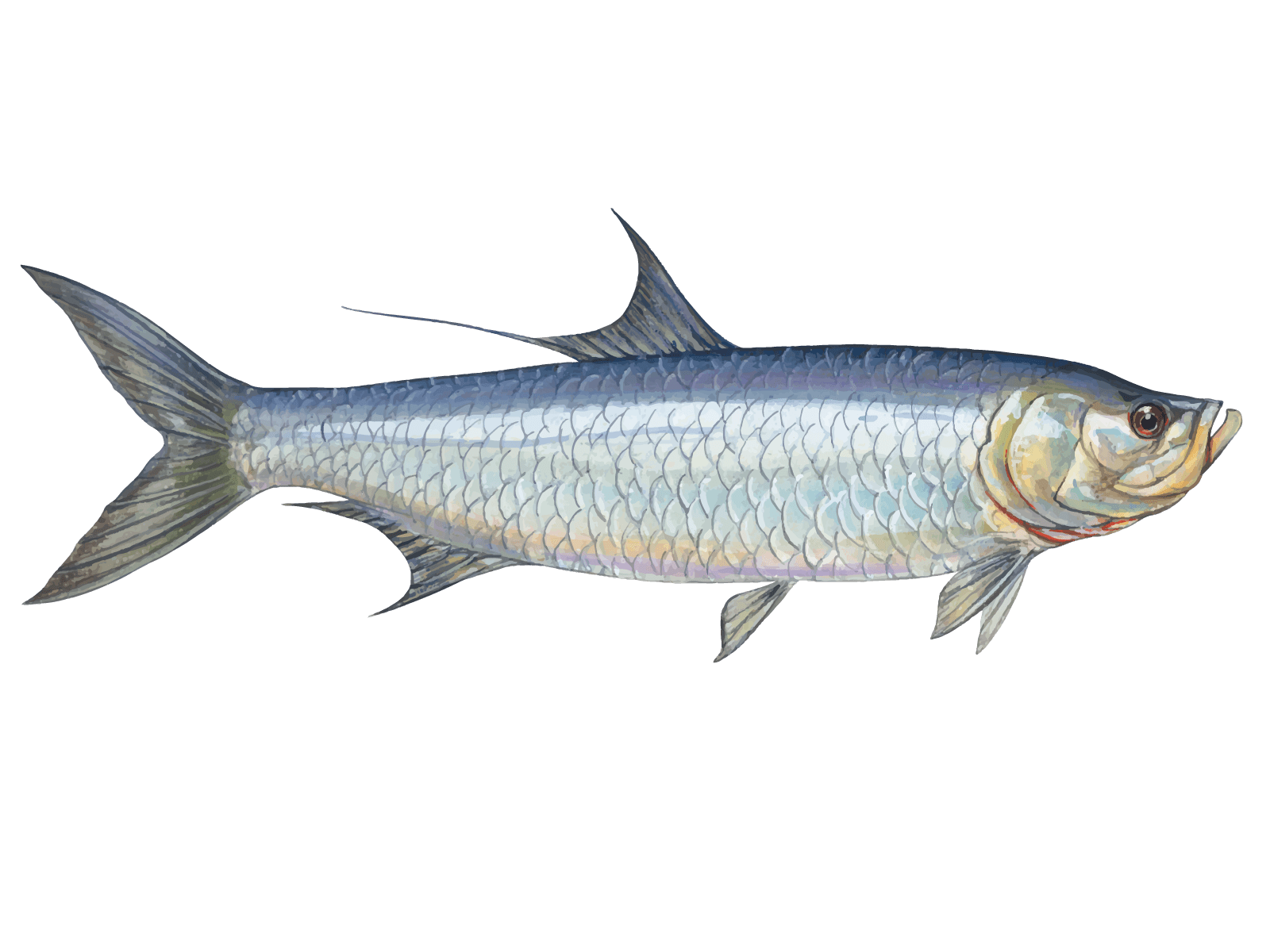
Tarpon dominate the inshore fishing scene around Little Torch Key. These acrobatic predators are built for power and speed, with torpedo-shaped bodies that generate incredible force when hooked. They're sight feeders that hunt in shallow, clear water, making them perfect targets for the sight-fishing technique that defines Lower Keys inshore fishing. Tarpon can live 50+ years and grow to massive sizes, making every hookup a genuine battle.
The shallow waters surrounding Little Torch Key create ideal conditions for this type of fishing. You'll be sight-casting to actively feeding fish in clear flats and channels, watching strikes happen in real-time. This is hands-on, visual fishing at its finest. The environment demands focus and quick reflexes, but rewards you with unforgettable moments when a tarpon explodes on your line and launches skyward. The inshore experience here is about connection, technique, and pure fishing drama played out on shallow water where every move matters.
Plan Your Tarpon Fishing Day
This 4-hour charter is built for maximum fishing time. Captain Allen provides all equipment and tackle, so show up ready to fish. With up to 4 anglers per trip, you'll have plenty of rod time without crowding. The flexible start time means you control when the action begins, making it easy to coordinate with other Key West activities. Bring sunscreen, sunglasses, and water. Wear comfortable clothes that can handle getting wet and a little rough with the fighting chair. This is intense, physical fishing that rewards preparation and mental toughness.
Fishing in Florida Keys: Yellowfin
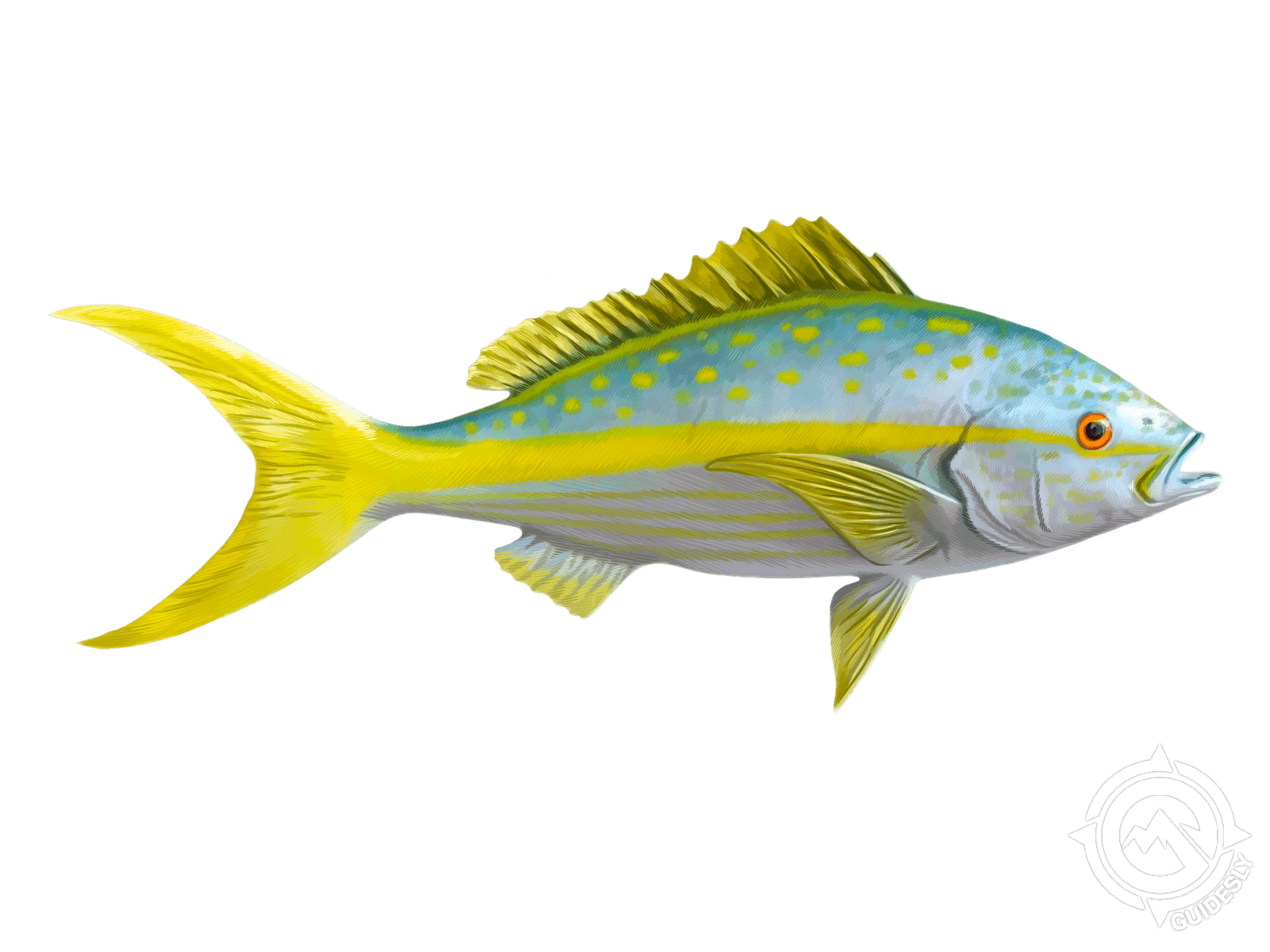
The yellowfin, scientifically known as Ocyurus chrysurus, is one of the most recognizable members of the Lutjanidae family in the order Perciformes. This distinctive snapper stands out with its brilliant yellow stripe running from snout to tail and that unmistakable bright yellow forked tail that gives it its common name. What makes this fish truly special is that it's the only species in its genus, making it absolutely unique among Caribbean reef fish. Local anglers often call the smaller ones "tails" and the bigger specimens "flags," and once you see one flash by a reef, you'll understand why this fish has captured the hearts of both recreational anglers and marine aquarium enthusiasts worldwide.
Yellowfin Overview
This oval-shaped beauty is much more than just a pretty face on the reef. The yellowfin represents one of the most sought-after game fish in tropical Atlantic waters, prized both for its fighting spirit and its excellent table fare. What really sets this species apart is its approachable nature for anglers of all skill levels - it's one of the few game fish that kids can successfully target while still providing enough challenge to keep seasoned anglers coming back. The fish's white, flaky flesh has earned it a reputation as an excellent substitute for grouper and swordfish, making it valuable both recreationally and commercially. You'll find them featured prominently in sashimi markets and high-end restaurants throughout their range.
Yellowfin Habitat and Distribution
These reef-associated fish call the Western Atlantic home, with their range stretching from Massachusetts all the way down to southeastern Brazil. However, their sweet spot is really around south Florida, the Bahamas, and throughout the Caribbean where the water stays warm year-round. They're incredibly versatile when it comes to habitat, equally comfortable around hard coral reefs, soft bottom areas, and submerged vegetation. You'll typically find them at depths between 33 and 230 feet, though they've been recorded as deep as 590 feet and occasionally right near the surface. The juveniles prefer the protection of seagrass beds and vegetated inshore waters in estuaries and bays, while the adults tend to stick around nearshore reefs where they form schools and establish territories they'll defend for years.
Yellowfin Size and Weight
Most anglers can expect to catch yellowfin in the 8 to 14-inch range, with fish rarely exceeding 16 inches in typical fishing scenarios. However, don't let their modest average size fool you - this species can reach impressive proportions under the right conditions. The largest recorded specimen stretched an incredible 34 inches, and the current international record stands at 11 pounds. These measurements represent truly exceptional fish, but even the average-sized specimens provide excellent sport on light tackle. The beauty of targeting yellowfin is that you never know when you might hook into one of those legendary "flags" that local guides talk about - those thick-bodied, golden beauties that can really test your drag system.
Yellowfin Diet and Behavior
As nocturnal feeders, these snappers really come alive when the sun goes down, though they're certainly catchable during daylight hours. Their diet reads like a seafood buffet - shrimp, crabs, octopus, squid, cuttlefish, marine worms, and smaller bony fish make up the bulk of their meals. They'll also opportunistically feed on zooplankton and pelagic fish eggs when the opportunity arises. What makes them particularly interesting from an angler's perspective is how their behavior changes with size. Smaller yellowfin will aggressively attack almost any bait or lure you throw at them, while the larger, wiser fish become incredibly line-shy and selective about what they'll eat. They typically feed above the substrate, which is why techniques that keep your bait up in the water column tend to be most successful.
Yellowfin Spawning and Seasonal Activity
The spawning behavior of yellowfin is truly spectacular when you consider the numbers involved. These fish gather in large groups at reef edges throughout the year, with peak activity typically occurring between March and August. Each mature female can carry anywhere from 99,000 to an astounding 1.5 million eggs, and once fertilized, these eggs hatch in about 20 hours. This incredibly fast development cycle helps explain why yellowfin populations can remain stable despite fishing pressure. The timing of spawning coincides with warmer water temperatures, which is why many anglers report better success rates during the spring and summer months, though these fish remain catchable year-round in their preferred tropical and subtropical waters.
Yellowfin Techniques for Observation and Capture
Chumming from an anchored or slowly drifting boat remains the gold standard for yellowfin fishing, but success requires patience and finesse. Start by establishing a good chum line and then wait several minutes to let the fish settle in - rushing this process will often result in spooking the school. Light tackle is absolutely essential since these fish are incredibly line-shy; a 15-pound mainline with a 20 to 30-pound fluorocarbon leader on a medium-action spinning rod will give you the best chance. For bait, small strips of ballyhoo, fresh shrimp, bonito, or minnows work exceptionally well, especially when presented on a 1/0 J-hook with a light jig head to help the bait sink naturally with the chum. Around Miami and the Florida Keys, local guides swear by fishing the 30 to 120-foot depth range around known reef structures, particularly during the warmer months when the fish are most active. Still fishing and drift fishing are also productive techniques, and don't overlook the possibility of catching them while trolling small jigs or flies along reef edges.
Yellowfin Culinary and Utilization Notes
From a culinary standpoint, yellowfin represents some of the finest eating you'll find in tropical waters. The flesh is white, flaky, and mild with a texture that's often compared to grouper or snapper - which makes sense given their family relationship. They're excellent prepared almost any way you can imagine: grilled, blackened, fried, or even raw as sashimi. In fact, yellowfin are commercially farmed in several parts of the world specifically for the sashimi market, which speaks to their exceptional quality. The meat holds up well to bold seasonings but is also delicious simply prepared with just lime, salt, and pepper. One of the best things about yellowfin is that they're generally considered a sustainable choice since they reproduce prolifically and aren't subject to the same overfishing pressures as some other reef species.
Yellowfin Frequently Asked Questions
Q: What is the best bait for catching yellowfin?
A: Fresh shrimp and small strips of ballyhoo are hands-down the most effective baits, especially when combined with a good chum line. The key is using light tackle and fluorocarbon leader since these fish are incredibly line-shy, particularly the larger specimens.
Q: Where can I find yellowfin near Miami?
A: Look for them around the reef structures between 30 and 120 feet of water, particularly around known spots like the Hump, Fowey Rocks, and the various artificial reefs scattered throughout Biscayne Bay and the nearshore Atlantic waters.
Q: Is yellowfin good to eat?
A: Absolutely - yellowfin is considered excellent table fare with white, flaky meat that's often used as a substitute for grouper or snapper. They're perfect for grilling, frying, or even preparing as sashimi, and the meat has a mild, sweet flavor that appeals to almost everyone.
Q: When is the best time to catch yellowfin?
A: While they're available year-round in tropical waters, the warmer months from March through August typically provide the best action, coinciding with their spawning season. Early morning and late afternoon tend to be most productive, though they'll feed throughout the day around good structure.
Q: What size hooks should I use for yellowfin?
A: A 1/0 J-hook is ideal for most situations, paired with a light 1/16-ounce jig head to help your bait sink naturally. Avoid hooks that are too large, as yellowfin can be very particular about bait presentation, especially in clear water.
Q: Can kids successfully fish for yellowfin?
A: Yes, yellowfin are actually one of the best species for introducing kids to saltwater fishing. They're aggressive feeders when they're in the mood, fight hard enough to be exciting, and are small enough for children to handle safely with light tackle.
More specie you can explore on this trip
Lower Keys Offshore Adventures Available Trips
You'll be working from a properly rigged inshore charter boat designed specifically for the shallow-water hunting style that defines tarpon fishing around Little Torch Key. The boat has plenty of deck space for multiple anglers to move around safely, with dedicated fighting positions for battling these powerful fish. You'll appreciate the stable platform when tarpon hit hard and leap, and the shaded areas provide relief between intense moments of action. The setup emphasizes functionality over frills - everything is positioned to maximize your ability to sight fish and react quickly to opportunities. Captain Allen keeps the boat positioned in prime shallow-water zones where tarpon are actively feeding, giving you clear sight lines to spot and cast to rising fish. The working environment is built around getting you connected with these silver giants efficiently.