%2Ffit-in%2F250x250%2Fguide_websites%2F7797%2Fimages%2Fll.webp&w=1920&q=100)
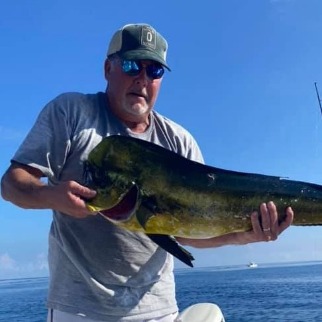
Longfin Yellowtail Catch in Little Torch Key FL
Longfin Yellowtail Fishing in Little Torch Key - What to Expect
%2F%2Fusers%2F3eca08bd-0931-4a79-8933-bf2764d9d9bd%2Fimages%2Flittle-torch-key-yellowtail-catch-2921.jpeg&w=1920&q=75)
Fishing Charter by Captain Allen Prince in July
Meet your Captain Allen Prince
- Discover Florida Keys: Book Your Fishing Trip Now!


Summary
Join a fishing charter in Little Torch Key on Thursday, July for an exciting day targeting longfin yellowtail and mixed species with experienced guidance. Captain Allen Prince brings local expertise to help you land quality fish and create lasting memories on the Florida Keys waters.
Fishing Charter with Captain Allen Prince - Rates & Booking
Captain Allen Prince of Lower Keys Offshore Adventures was on the water Thursday, July bringing in some beautiful longfin yellowtail and mixed species catches. This is the kind of day that makes fishing in the Keys so rewarding - solid fish on the line, good weather, and that satisfying moment when you're cleaning your catch at the marina knowing you earned every one.
For booking your own fishing charter experience, reach out to Lower Keys Offshore Adventures directly to discuss timing, group size, and what species you'd like to target. The team can work with you on dates and customized packages for your preferred fishing style.
Highlights of This Fishing Adventure
What stands out from this charter is the mix of species landed and the professional handling of the catch. Longfin yellowtail are solid fighters that require skill and patience, and Captain Prince clearly knows how to work the waters around Little Torch Key to find them consistently. The fact that this was a mixed bag means the team was adaptable and reading the conditions well throughout the day.
The cleanup at the marina tells the real story - these fish were handled properly from catch to table, which speaks to the quality and care that goes into every trip. When you can see the results like this, you know you're working with people who take pride in what they do.
Local Species Insights: Longfin Yellowtail
Longfin yellowtail are a prized catch throughout the Florida Keys, and Little Torch Key sits in a prime zone for finding them. These fish tend to hang around offshore structures and reefs where they hunt smaller baitfish. They're aggressive strikers and put up a solid fight, which is why anglers keep coming back for them.
The deeper waters around Little Torch Key provide ideal habitat for these species. They prefer cooler offshore zones and are active year-round, though summer months like July can offer excellent opportunities if you know where to look. What makes Captain Prince's approach effective is his understanding of seasonal patterns and how the fish move with water temperature and bait availability.
Longfin yellowtail can reach respectable sizes in these waters, with quality fish running anywhere from a few pounds to over ten pounds for trophy catches. They're excellent table fare, which is why you see them cleaned and ready at the marina like in this photo. The firm, white meat is perfect for grilling, blackening, or making ceviche - fresh Florida Keys style.
The mixed species aspect of this catch is also telling. Good charter captains don't just focus on one target - they read the water and adjust tactics throughout the day. This flexibility often results in better trips and keeps everyone entertained with varied action. You might encounter grouper, snapper, or other reef species while pursuing your primary target, adding to the day's excitement.
Plan Your Fishing Day
A typical fishing charter in Little Torch Key runs during prime fishing hours when the sun angle and water conditions favor active fish. You'll want to bring sunscreen, a hat, polarized sunglasses, and comfortable clothes you don't mind getting wet or fishy. Wear slip-on shoes with good grip since boat decks can be slippery.
The group size for charter fishing typically ranges from two to six people, depending on the boat and your preference. Smaller groups mean more personalized attention and sometimes better chances at prime fishing spots. Most charters provide the heavy lifting in terms of experience and local knowledge - your job is to show up ready to fish and enjoy the Keys experience.
Expect to spend six to eight hours on the water for a full day charter, with departures usually early morning to catch the best bite times. The crew handles navigation, spot selection, and fish handling, so you can focus on the action. It's a physical day but incredibly rewarding, especially when you're loading coolers with quality fish like this yellowtail haul.
Fishing in Florida Keys: Longfin Yellowtail

Longfin Yellowtail Overview
The Longfin Yellowtail, scientifically known as Seriola rivoliana, belongs to the family Carangidae and order Carangiformes, making it a close relative of other jack species found in deep offshore waters worldwide. Also called the Almaco Jack, this striking game fish is instantly recognizable by its dusky brown to silvery blue-green dorsal coloring accented with an amber lateral stripe running along its side. What truly sets the Longfin Yellowtail apart from other jacks is its flattened body profile and those characteristic elongated dorsal and anal fins with distinctive sickle-shaped outer edges. Anglers and dive enthusiasts from tropical and temperate regions prize this species not only for its incredible fighting ability but also for the unique encounters—legend has it that curious Longfin Yellowtail will sometimes brush against divers, mistaking them for sharks in search of parasite relief. This benthopelagic beauty is found schooling in small groups across global waters, making it a bucket-list target for serious offshore fishermen.
Longfin Yellowtail Habitat and Distribution
The Longfin Yellowtail thrives as a benthopelagic species in both temperate and tropical waters, typically swimming at depths ranging from 16 to 524 feet in open ocean zones beyond the continental shelf. This fish shows a strong preference for structural features such as wrecks, seamounts, and rocky outcrops where prey congregates and where they can ambush with their lightning-fast strikes. Geographically, the Longfin Yellowtail's range spans from the Indian Ocean through the West Pacific, with established populations in South Africa, the Mariana Islands, Wake Island, the Ryukyu Islands, Kermadec Islands, and New Caledonia. In the eastern Pacific, they range from California down through Peru and around the Galápagos Islands, offering excellent opportunities for offshore anglers along the American west coast. The western Atlantic population extends from Cape Cod to Argentina, though they are less common along the Carolinas; rare sightings have been documented in the eastern Atlantic, including British waters and near Lampedusa in the Mediterranean Sea. Their global distribution makes them accessible to diverse angling communities, though offshore expertise is essential for successful encounters.
Longfin Yellowtail Size and Weight
Most commonly encountered Longfin Yellowtail specimens measure approximately 35 inches in length and weigh between 10 to 20 pounds, making them ideal targets for anglers seeking a manageable yet powerful fight. However, these fish can grow considerably larger, with exceptional individuals reaching up to 60 inches and tipping the scales at an impressive 130 pounds. The larger specimens, while thrilling to hook, are often released by experienced anglers due to the increased risk of ciguatera toxin accumulation—a concern that doesn't diminish the species' reputation as a formidable game fish but rather encourages sustainable catch-and-release practices. The variation in size among populations is likely influenced by food availability, water temperature, and fishing pressure in different regions, meaning that anglers exploring new offshore territories may encounter specimens within the full spectrum of this size range.
Longfin Yellowtail Diet and Behavior
As a carnivorous apex predator of the deep, the Longfin Yellowtail feeds voraciously both day and night, displaying the aggressive hunting behavior that has earned it legendary status among sport fishers. This fast-moving hunter primarily targets bony fishes and baitfish, supplementing its diet with invertebrates such as squid and shrimp—a dietary preference that directly informs successful angling strategies. The species exhibits bold, inquisitive behavior, often approaching anglers and divers without hesitation; in fact, their tendency to brush against sharks (and occasionally unsuspecting divers) to remove parasitic skin infections reveals just how confident and interactive these fish truly are. Their continuous feeding patterns mean that at any given time, a hungry Longfin Yellowtail lurking near a wreck or reef structure is a legitimate opportunity, though early morning and late afternoon periods often produce heightened activity. Schools tend to remain relatively small and tight-knit, adding an element of selectivity to the angling experience—when you locate one group, you've found your target.
Longfin Yellowtail Spawning and Seasonal Activity
One of the most remarkable behaviors of the Longfin Yellowtail is its year-round spawning capability, with this species reported to reproduce throughout the entire calendar year and potentially as frequently as once per week. This continuous spawning cycle, unusual among many fish species, means that actively feeding fish can be encountered in virtually any season, making the Longfin Yellowtail a reliable offshore target regardless of when you plan your trip. The species' ability to sustain such frequent reproductive cycles suggests robust populations and consistent food availability in their preferred habitats, though specific seasonal concentrations may still vary by geographic region. Anglers planning offshore expeditions should consult with local charter operators and guides to identify peak activity windows in their target area, as water temperature fluctuations and baitfish migrations can influence where and when the largest congregations occur.
Longfin Yellowtail Techniques for Observation and Capture
Deep Jigging and Yo-Yo Technique: When targeting Longfin Yellowtail in offshore waters, deep jigging with the yo-yo method proves exceptionally effective, especially when using lures and jigs that match the color profile of local baitfish or blend seamlessly with the surrounding water conditions. Premium brands such as Sumo, Tady, and Salas produce specialized jigs engineered for this application. A typical Penn Jigmaster 500 reel paired with a quality rod provides the strength and precision needed to work depths where these fish congregate. The key is to maintain a rhythmic vertical motion, allowing the lure to flutter downward before snapping it back up—a pattern that mimics wounded prey and triggers aggressive strikes from passing predators. Around popular offshore fishing destinations like Southern California or the Gulf of Mexico, experienced charter captains have dialed in specific lure colors and sizes that dominate their local populations.
Live Bait Trolling and Drift Fishing: Trolling with live baitfish or engaging in methodical drift fishing over known wreck sites and continental shelf structures produces consistent results for Longfin Yellowtail anglers. When drifting, positioning your boat to work structure-rich zones allows natural current flow to present your bait naturally while covering more water. Live squid, shrimp, spoons, and plugs all generate reliable strikes; vary your offerings based on what local tackle shops recommend for your specific fishing grounds. The species' non-selective feeding behavior and willingness to investigate moving targets makes trolling an efficient approach for covering large offshore areas.
Jigging and Chumming Strategies: Combining jigging with strategic chumming creates a devastating combination, as the scent plume attracts distant fish while the active jig or plug triggers feeding responses. Bottom bouncing—carefully working your presentation along sandy or rocky seafloor—can yield impressive catches, as can still fishing when anchored near proven structure. Charter operators across coastal regions from California to the Caribbean routinely employ these hybrid methods to consistently deliver clients exciting encounters with this species.
Longfin Yellowtail Culinary and Utilization Notes
The culinary appeal of the Longfin Yellowtail lies in its dense, thick flesh that remarkably resembles white albacore when prepared raw, making it a prized selection for sushi and sashimi enthusiasts who appreciate its firm texture and subtle oceanic flavor. Smaller specimens are particularly desirable for consumption, as larger Longfin Yellowtail carry higher ciguatera risk—a toxin that accumulates in larger predatory fish and can cause serious illness if ingested. This nutritional concern has naturally encouraged the catch-and-release ethos among serious anglers who value the fight over the table fare. When preparing smaller fish, raw preparations showcase the meat at its finest; however, grilling or baking in foil alongside fresh vegetables yields equally delectable results with complementary flavors. Cooks universally recommend avoiding frying, as the dense flesh tends to trap oil, resulting in an undesirable texture. For optimal flavor and food safety, consumption should occur within three days of capture, though proper freezing and vacuum-sealing methods preserve quality for extended periods, making it feasible to enjoy your catch long after returning from an offshore expedition.
Longfin Yellowtail Frequently Asked Questions
Q: What is the best bait and lure selection for targeting Longfin Yellowtail?
A: Live squid, shrimp, spoons, jigs, and plugs consistently produce strikes. Match lure colors to local baitfish populations or water clarity conditions, and premium brands like Sumo, Tady, and Salas are trusted by experienced offshore anglers for reliability and fish-attracting design.
Q: What fishing techniques work best for Longfin Yellowtail in offshore environments?
A: Drift fishing, deep jigging (particularly the yo-yo technique), chumming, bottom bouncing, and still fishing all produce results. A typical Penn Jigmaster 500 paired with a quality rod handles this strong species effectively, and working depths between 16 and 524 feet near wrecks and structure yields the highest success rates.
Q: Where can I find Longfin Yellowtail in the most accessible locations?
A: Offshore regions along California, the Gulf of Mexico, and southern Atlantic states offer consistent populations. Chartered offshore vessels departing from major coastal ports provide guided access to proven fishing grounds where local captains maintain intimate knowledge of productive structure and seasonal patterns.
Q: Is the Longfin Yellowtail good to eat, and are there any safety concerns?
A: Yes, smaller Longfin Yellowtail offer excellent eating with dense, sushi-grade flesh similar to white albacore. However, larger specimens accumulate ciguatera toxin, making them unsafe for consumption—a reality that reinforces catch-and-release practices among conservation-minded anglers who prize the fighting experience over table utility.
Q: When is the best time to fish for Longfin Yellowtail?
A: Since this species spawns year-round and feeds continuously, viable angling opportunities exist throughout all seasons. Early morning and late afternoon periods typically coincide with heightened feeding activity, though consulting local charter operators about regional seasonal peaks will optimize your offshore adventure.
Q: What makes Longfin Yellowtail such an exciting game fish?
A: Their aggressive nature, powerful strikes, incredible speed, and willingness to engage with anglers without hesitation make them legendary offshore targets. Unlike many deep-water species that require specialized tactics, the Longfin Yellowtail actively pursues presentations and delivers the kind of adrenaline-pumping fight that keeps anglers returning to offshore fishing destinations year after year.