%2Ffit-in%2F250x250%2Fguide_websites%2F7797%2Fimages%2Fll.webp&w=1920&q=100)
Bar Jack, Mahi Mahi, Yellowfin Caught in Little Torch Key FL
Offshore Fishing in Little Torch Key - What to Expect
%2F%2Fusers%2F3eca08bd-0931-4a79-8933-bf2764d9d9bd%2Fimages%2Flittle-torch-key-mixed-bag-2989.jpg&w=1920&q=75)
Fishing Charter by Captain Allen Prince in July
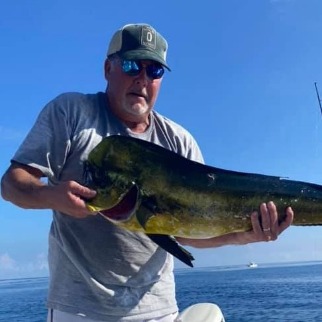
Meet your Captain Allen Prince
- Discover Florida Keys: Book Your Fishing Trip Now!


Summary
Join a fishing charter in Little Torch Key, Florida with Captain Allen Prince of Lower Keys Offshore Adventures. This Thursday, July adventure targets offshore species including Bar Jack, Mahi Mahi, and Yellowfin, offering anglers the chance to catch premium game fish in the Florida Keys.
Offshore Fishing with Captain Allen Prince - Rates & Booking
Captain Allen Prince of Lower Keys Offshore Adventures welcomes anglers on Thursday, July 10 for an offshore fishing charter in Little Torch Key. This professional fishing charter targets multiple pelagic species in the productive waters surrounding the Florida Keys. To inquire about rates, guest capacity, and trip duration, contact Lower Keys Offshore Adventures to reserve your spot or view current rates for your preferred date.
Highlights of This Offshore Experience
This charter showcases the remarkable diversity of offshore fishing in the Little Torch Key region. Anglers encounter Bar Jack, a spirited inshore-to-offshore fighter known for aggressive strikes and quick runs. The diverse catch reflects the prolific fishing grounds where tropical and temperate species overlap, creating excellent year-round opportunities.
The Florida Keys' offshore environment combines shallow banks, deep channels, and reef structure that concentrate gamefish. Captain Allen Prince's local expertise positions anglers to maximize success by understanding seasonal patterns, water conditions, and species behavior throughout the day.
Local Species Insights: Bar Jack, Mahi Mahi, and Yellowfin
The species caught on this charter represent different offshore niches and behaviors. Bar Jack are aggressive mid-water feeders often found around structure, reefs, and drop-offs. These fish school and feed actively, making them responsive to both live bait and artificial presentations. Their fighting spirit and willingness to bite make them a favorite among offshore anglers.
Mahi Mahi, also called dolphin fish, are fast-growing pelagic species found in warm offshore waters. These vibrant fish cruise weed lines, flotsam, and open ocean, hunting small baitfish and crustaceans. Mahi respond well to live baits and fast-moving lures, and their aerial displays during the fight create memorable angling moments. The bright coloration of healthy Mahi Mahi makes them instantly recognizable fresh from the water.
Yellowfin Tuna are powerful offshore predators that represent the pinnacle of fighting ability. These streamlined, fast-moving fish school in deeper waters and feed on mackerel, herring, and squid. Yellowfin require heavier tackle and more specialized techniques than inshore species. Their stamina and raw power demand patience and proper equipment, but successful hookups deliver unforgettable battles. The presence of multiple Yellowfin in this catch reflects productive offshore waters and skilled fishing execution.
The Florida Keys location offers unique advantages for targeting these species. Warm currents, abundant forage fish, and complex underwater structure create feeding zones where Bar Jack, Mahi Mahi, and Yellowfin congregate. Understanding water temperature, structure depth, and seasonal migration patterns helps anglers position for success.
Captain Allen Prince's knowledge of local fishing grounds, seasonal patterns, and species-specific techniques directly influences catch success. Professional guides read water conditions, adjust presentations based on fish response, and position anglers for optimal opportunities. This combination of local expertise, fishing skill, and quality equipment distinguishes a productive charter from casual outings.
Plan Your Offshore Fishing Day
Preparing for an offshore fishing charter involves understanding what to expect physically and practically. Offshore conditions can be more demanding than inshore fishing, with boat motion, sun exposure, and extended fishing periods requiring stamina and preparation. Wearing sun protection, staying hydrated, and dressing in layers accommodates changing weather and water spray common to offshore operations.
Most offshore charters provide fishing tackle, rods, and reels appropriate for target species. Understanding tackle setup, drag settings, and fighting techniques before departure improves both success rates and personal safety. Captain Allen Prince and his team will provide instruction and guidance, but familiarity with basic offshore fishing fundamentals enhances the experience. Bring polarized sunglasses to spot surface activity and reduce water glare, and secure any loose items on deck before departure to maintain safety in open water conditions.
Fishing in Florida Keys: Yellowfin and Bar Jack
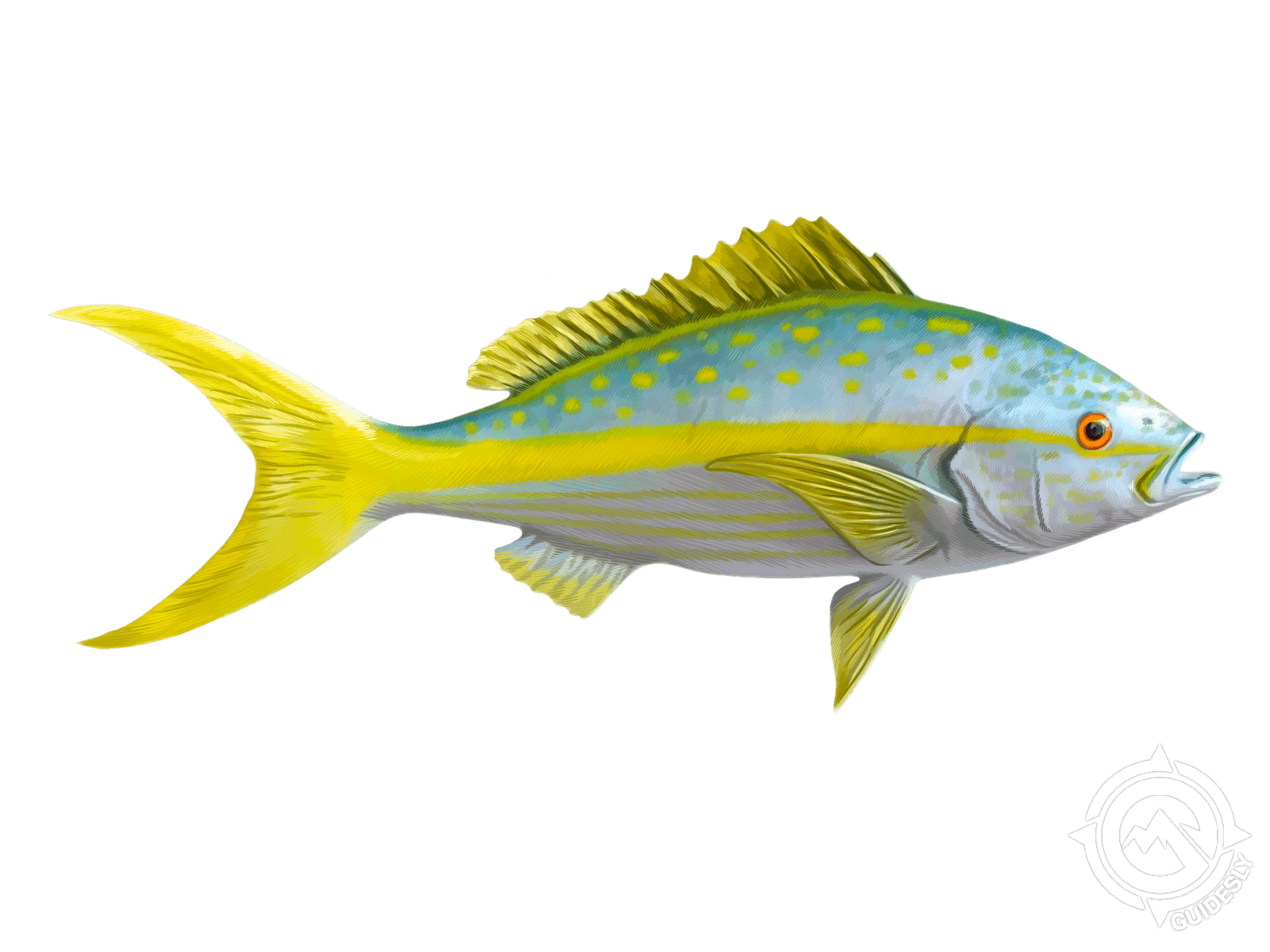
The yellowfin, scientifically known as Ocyurus chrysurus, is one of the most recognizable members of the Lutjanidae family in the order Perciformes. This distinctive snapper stands out with its brilliant yellow stripe running from snout to tail and that unmistakable bright yellow forked tail that gives it its common name. What makes this fish truly special is that it's the only species in its genus, making it absolutely unique among Caribbean reef fish. Local anglers often call the smaller ones "tails" and the bigger specimens "flags," and once you see one flash by a reef, you'll understand why this fish has captured the hearts of both recreational anglers and marine aquarium enthusiasts worldwide.
Yellowfin Overview
This oval-shaped beauty is much more than just a pretty face on the reef. The yellowfin represents one of the most sought-after game fish in tropical Atlantic waters, prized both for its fighting spirit and its excellent table fare. What really sets this species apart is its approachable nature for anglers of all skill levels - it's one of the few game fish that kids can successfully target while still providing enough challenge to keep seasoned anglers coming back. The fish's white, flaky flesh has earned it a reputation as an excellent substitute for grouper and swordfish, making it valuable both recreationally and commercially. You'll find them featured prominently in sashimi markets and high-end restaurants throughout their range.
Yellowfin Habitat and Distribution
These reef-associated fish call the Western Atlantic home, with their range stretching from Massachusetts all the way down to southeastern Brazil. However, their sweet spot is really around south Florida, the Bahamas, and throughout the Caribbean where the water stays warm year-round. They're incredibly versatile when it comes to habitat, equally comfortable around hard coral reefs, soft bottom areas, and submerged vegetation. You'll typically find them at depths between 33 and 230 feet, though they've been recorded as deep as 590 feet and occasionally right near the surface. The juveniles prefer the protection of seagrass beds and vegetated inshore waters in estuaries and bays, while the adults tend to stick around nearshore reefs where they form schools and establish territories they'll defend for years.
Yellowfin Size and Weight
Most anglers can expect to catch yellowfin in the 8 to 14-inch range, with fish rarely exceeding 16 inches in typical fishing scenarios. However, don't let their modest average size fool you - this species can reach impressive proportions under the right conditions. The largest recorded specimen stretched an incredible 34 inches, and the current international record stands at 11 pounds. These measurements represent truly exceptional fish, but even the average-sized specimens provide excellent sport on light tackle. The beauty of targeting yellowfin is that you never know when you might hook into one of those legendary "flags" that local guides talk about - those thick-bodied, golden beauties that can really test your drag system.
Yellowfin Diet and Behavior
As nocturnal feeders, these snappers really come alive when the sun goes down, though they're certainly catchable during daylight hours. Their diet reads like a seafood buffet - shrimp, crabs, octopus, squid, cuttlefish, marine worms, and smaller bony fish make up the bulk of their meals. They'll also opportunistically feed on zooplankton and pelagic fish eggs when the opportunity arises. What makes them particularly interesting from an angler's perspective is how their behavior changes with size. Smaller yellowfin will aggressively attack almost any bait or lure you throw at them, while the larger, wiser fish become incredibly line-shy and selective about what they'll eat. They typically feed above the substrate, which is why techniques that keep your bait up in the water column tend to be most successful.
Yellowfin Spawning and Seasonal Activity
The spawning behavior of yellowfin is truly spectacular when you consider the numbers involved. These fish gather in large groups at reef edges throughout the year, with peak activity typically occurring between March and August. Each mature female can carry anywhere from 99,000 to an astounding 1.5 million eggs, and once fertilized, these eggs hatch in about 20 hours. This incredibly fast development cycle helps explain why yellowfin populations can remain stable despite fishing pressure. The timing of spawning coincides with warmer water temperatures, which is why many anglers report better success rates during the spring and summer months, though these fish remain catchable year-round in their preferred tropical and subtropical waters.
Yellowfin Techniques for Observation and Capture
Chumming from an anchored or slowly drifting boat remains the gold standard for yellowfin fishing, but success requires patience and finesse. Start by establishing a good chum line and then wait several minutes to let the fish settle in - rushing this process will often result in spooking the school. Light tackle is absolutely essential since these fish are incredibly line-shy; a 15-pound mainline with a 20 to 30-pound fluorocarbon leader on a medium-action spinning rod will give you the best chance. For bait, small strips of ballyhoo, fresh shrimp, bonito, or minnows work exceptionally well, especially when presented on a 1/0 J-hook with a light jig head to help the bait sink naturally with the chum. Around Miami and the Florida Keys, local guides swear by fishing the 30 to 120-foot depth range around known reef structures, particularly during the warmer months when the fish are most active. Still fishing and drift fishing are also productive techniques, and don't overlook the possibility of catching them while trolling small jigs or flies along reef edges.
Yellowfin Culinary and Utilization Notes
From a culinary standpoint, yellowfin represents some of the finest eating you'll find in tropical waters. The flesh is white, flaky, and mild with a texture that's often compared to grouper or snapper - which makes sense given their family relationship. They're excellent prepared almost any way you can imagine: grilled, blackened, fried, or even raw as sashimi. In fact, yellowfin are commercially farmed in several parts of the world specifically for the sashimi market, which speaks to their exceptional quality. The meat holds up well to bold seasonings but is also delicious simply prepared with just lime, salt, and pepper. One of the best things about yellowfin is that they're generally considered a sustainable choice since they reproduce prolifically and aren't subject to the same overfishing pressures as some other reef species.
Yellowfin Frequently Asked Questions
Q: What is the best bait for catching yellowfin?
A: Fresh shrimp and small strips of ballyhoo are hands-down the most effective baits, especially when combined with a good chum line. The key is using light tackle and fluorocarbon leader since these fish are incredibly line-shy, particularly the larger specimens.
Q: Where can I find yellowfin near Miami?
A: Look for them around the reef structures between 30 and 120 feet of water, particularly around known spots like the Hump, Fowey Rocks, and the various artificial reefs scattered throughout Biscayne Bay and the nearshore Atlantic waters.
Q: Is yellowfin good to eat?
A: Absolutely - yellowfin is considered excellent table fare with white, flaky meat that's often used as a substitute for grouper or snapper. They're perfect for grilling, frying, or even preparing as sashimi, and the meat has a mild, sweet flavor that appeals to almost everyone.
Q: When is the best time to catch yellowfin?
A: While they're available year-round in tropical waters, the warmer months from March through August typically provide the best action, coinciding with their spawning season. Early morning and late afternoon tend to be most productive, though they'll feed throughout the day around good structure.
Q: What size hooks should I use for yellowfin?
A: A 1/0 J-hook is ideal for most situations, paired with a light 1/16-ounce jig head to help your bait sink naturally. Avoid hooks that are too large, as yellowfin can be very particular about bait presentation, especially in clear water.
Q: Can kids successfully fish for yellowfin?
A: Yes, yellowfin are actually one of the best species for introducing kids to saltwater fishing. They're aggressive feeders when they're in the mood, fight hard enough to be exciting, and are small enough for children to handle safely with light tackle.
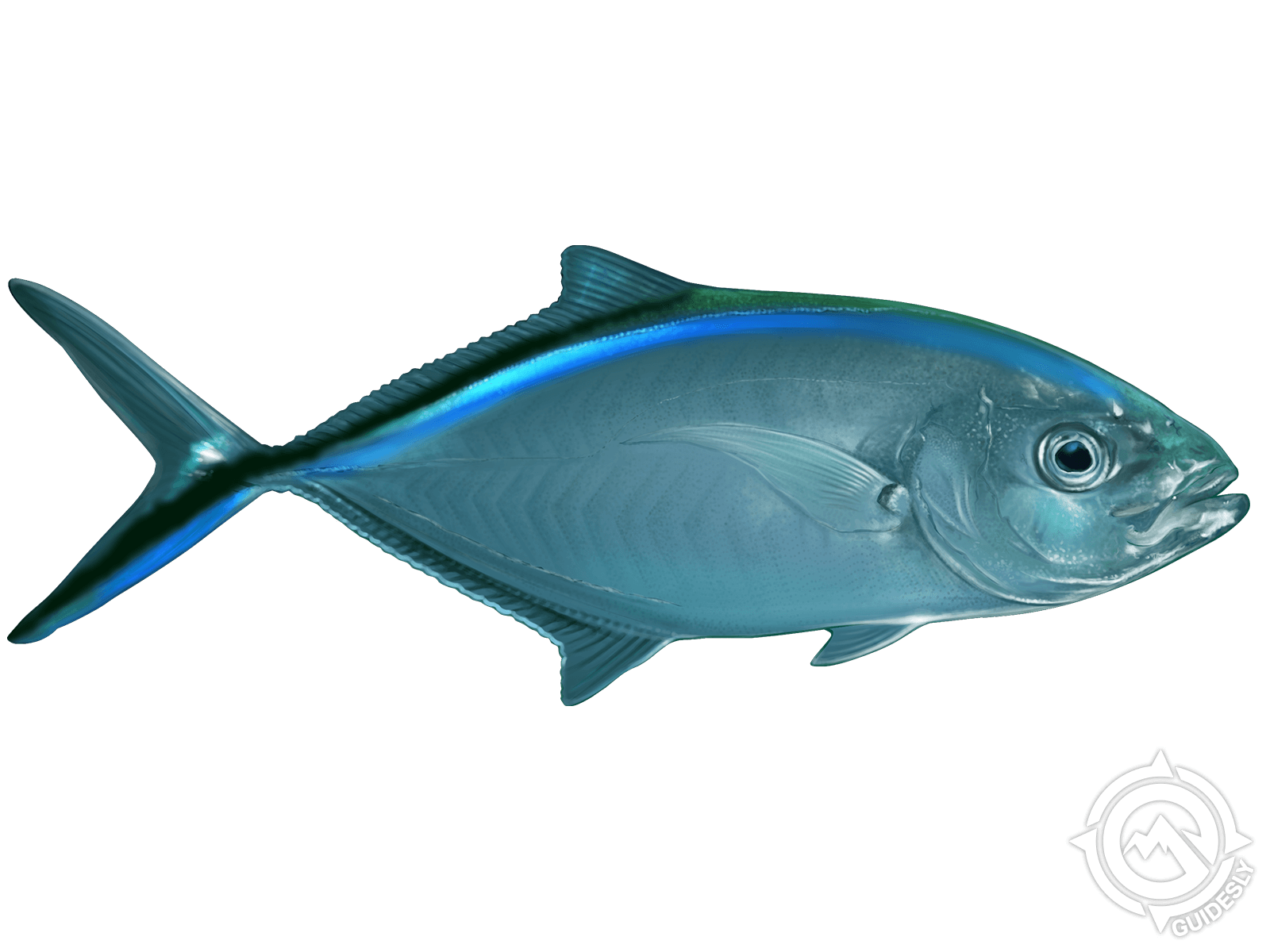
The Bar Jack (Caranx ruber) is a sleek and spirited member of the jack family Carangidae, belonging to the order Perciformes. This inshore marine fish is instantly recognizable by its distinctive dark horizontal stripe that runs along its back down to its caudal fin, elegantly underlined by an electric blue stripe that makes spotting one a real thrill. Also called the carbonero, red jack, blue-striped cavalla, or passing jack, this species is beloved by anglers throughout the western Atlantic. If you're exploring coastal waters from New Jersey to Venezuela, you might encounter these fast-swimming hunters in action around coral reefs and sandy substrates. What makes the Bar Jack truly special is its daytime hunting prowess, incredible speed, and its unusual partnership with the puddingwife wrasse—a relationship that's genuinely one of nature's more fascinating teamups.
Bar Jack Overview
The Bar Jack is a popular game fish that captures the hearts of anglers and marine enthusiasts alike. Living in clear, shallow waters typically around coral reefs at depths up to 60 feet, this species is far from sedentary. These fish are known wanderers, willing to travel great expanses of sand to settle in a new reef, often forming shoals alongside barracudas, stingrays, and sharks. Whether hunting solo or in large schools, the Bar Jack represents an exciting target for anyone looking to experience dynamic saltwater fishing. Their aggressive feeding behavior and lightning-quick reflexes make every encounter memorable.
Bar Jack Habitat and Distribution
Bar Jacks thrive in clear, shallow coastal waters with a strong preference for coral reef ecosystems and sandy substrates. They're comfortable at depths ranging from the shallows all the way down to 60 feet, and they're equally at home in lagoons as they are on seaward reefs. These fish don't stay put—they're known to venture considerable distances across open sand before finding a new home. The species is distributed throughout the western Atlantic Ocean, with their range extending from New Jersey and Bermuda in the north all the way south to Venezuela and possibly beyond into Brazilian waters. The Gulf of Mexico and West Indies host the largest known populations, making these regions prime destinations for anglers seeking this species. You'll often spot them moving through nearshore and onshore environments where water depth changes abruptly, such as ledges, heads, and sandbars where prey concentrates.
Bar Jack Size and Weight
On average, a typical Bar Jack measures around 15 inches or less, though specimens regularly reach 20 inches in favorable conditions. While maximum recorded sizes have touched 27 inches with weights approaching 15 pounds, most anglers encounter fish in the 15 to 20-inch range, weighing between 15 and 18 pounds. This size range makes them an ideal target for light tackle fishing—substantial enough to provide an exciting fight and memorable experience, yet manageable enough for recreational anglers of varying skill levels. Don't let their moderate size fool you; these fish are compact powerhouses with surprising strength and determination.
Bar Jack Diet and Behavior
The Bar Jack is an uncompromising carnivore with a voracious appetite and hunting strategy honed by millions of years of evolution. Adult specimens primarily feast on small fish including gobies, butterflyfish, filefish, and blennies, supplementing their diet with shrimp, crabs, squids, and worms. Juveniles start smaller, feeding on plankton and fish larvae as they develop. What's truly remarkable about their feeding behavior is their reliance on eyesight—Bar Jacks are diurnal hunters, meaning they're most active during daylight hours when they can effectively track down prey. They're capable of dramatic color changes, shifting to bronze or black hues when feeding along the seabed, likely as a camouflage technique. These fish hunt cooperatively in large schools, an approach that increases success rates and provides safety in numbers. Perhaps most intriguingly, they've developed a symbiotic relationship with the puddingwife wrasse, where the wrasse assists in prey detection—a partnership that benefits both species and demonstrates the complex social structures that exist beneath the waves.
Bar Jack Spawning and Seasonal Activity
While specific spawning seasons for Bar Jacks aren't extensively documented in readily available literature, they are known to be consistently active throughout daylight hours year-round in their native range. Their daytime activity pattern makes them predictable targets for anglers who time their outings accordingly. The species shows no significant seasonal migration pattern within their established range, though local populations may shift locations based on food availability and water temperature changes. Their wandering nature means that specific reef systems or sandy areas may see population fluctuations as schools move to exploit new feeding grounds. Anglers typically enjoy consistent opportunity to encounter these fish during warm-water months when coastal conditions are most favorable.
Bar Jack Techniques for Observation or Capture
Light Tackle and Jigging Method: The most effective approach involves light tackle with quick, wrist-driven jigging motions. Bar Jacks actively feed in mid-water and near the seafloor, particularly around structures where depth changes abruptly. Use small jigs, metal spoons, or live bait presentations that mimic their natural prey. The key is maintaining rapid, energetic movements—these fish respond to action and aggression. Expect an intense fight; the Bar Jack's speed and determination make every hookup exhilarating, so bring adequate stamina and technique.
Strategic Placement and Timing: Focus your efforts around coral reefs, ledges, sandbars, and areas where sandy substrates meet rocky outcrops. Early morning and mid-day fishing typically yield the best results since Bar Jacks are diurnal feeders. Look for areas where water depth changes suddenly, as these transitions concentrate both the predators and their prey. Around popular fishing destinations in the Gulf of Mexico and Florida Keys, local guides recommend targeting structure edges during incoming tides when water movement stirs up food sources.
School Hunting Technique: Since Bar Jacks hunt in schools, spotting one often means more are nearby. Use binoculars to scan the water surface for feeding activity, breaking water, or nervous baitfish behavior. When you locate a school, position your boat carefully to avoid spooking them, then present your bait or lure ahead of their movement path. The competitive feeding instinct of schooling fish often triggers aggressive strikes, making group hunting scenarios particularly productive.
Bar Jack Culinary and Utilization Notes
The Bar Jack is considered edible with average food quality, making it a viable option for the dinner table, though not considered a premier culinary species. The meat tends to be moderately firm with a mild flavor profile. Some regional cuisines, particularly in the Caribbean and Gulf regions, do prepare Bar Jacks for consumption, often grilling or pan-searing fillets. However, many anglers practice catch-and-release given the species' value as a game fish and the abundance of superior eating options in the same waters. If you do decide to retain one for the table, ensure proper handling and quick cooling to maintain meat quality. The species' population status remains stable, so there are no particular sustainability concerns with modest harvest rates in recreational fishing contexts.
Bar Jack Frequently Asked Questions
Q: What is the best bait or lure for catching Bar Jacks?
A: Live bait presentations using small fish like gobies, silversides, or anchovies work exceptionally well, as do artificial lures including small jigs, metal spoons, and topwater plugs. The key is using small offerings that match their natural prey and presenting them with active, energetic movements that trigger predatory instincts.
Q: Where can I find Bar Jacks in coastal waters?
A: Look for clear, shallow waters around coral reefs, particularly at depths between 30 and 60 feet. They frequent sandy substrates, ledges, and areas where water depth changes abruptly. In the Gulf of Mexico and around the Florida Keys, focus on reef systems, channel edges, and near navigational markers where structure concentrates both predators and prey.
Q: Are Bar Jacks good to eat?
A: Bar Jacks are edible with average food quality. While not considered a premier table fish, they can be prepared through grilling or pan-searing if retained. Many anglers prefer catch-and-release given their excitement value as game fish and the availability of superior eating species in the same waters.
Q: When is the best time to catch Bar Jacks?
A: Since Bar Jacks are diurnal feeders, daylight hours—particularly early morning through mid-afternoon—offer the best opportunities. They remain active year-round in warm waters, with peak fishing typically occurring during warmer months when coastal conditions are most favorable.
Q: What's the typical fight experience with a Bar Jack?
A: Bar Jacks are renowned fighters pound-for-pound. Expect dramatic runs, head shakes, and aerial acrobatics. Their speed and determination make every hook-up exciting; they require adequate strength and technique, particularly when jigging, as rapid wrist movements are necessary to maintain control during the fight.
Q: Why do Bar Jacks hunt with the puddingwife wrasse?
A: This unusual partnership demonstrates how different species can cooperate for mutual benefit. The wrasse assists the Bar Jack in locating and detecting prey, while the Bar Jack's presence may provide protection. This symbiotic relationship showcases the complex social dynamics and intelligence present in marine ecosystems, adding another layer of fascination to encounters with this remarkable species.